The operators behind the EFROS client portfolio. Senior, credentialed, and on call. Individual credential documentation available under NDA via the Trust Center.
SOC
--:--:--UTC
Online · monitoring
Detection
--:--:--UTC
Correlation live
Response
--:--:--UTC
Containment armed
Compliance
--:--:--UTC
Evidence flowing
Leadership Team
Stefan Efros
CEO & Founder
I see how the pieces connect before others see the pieces themselves. Fifteen-plus years in enterprise IT and cybersecurity. I founded EFROS to build the kind of technology partner I wished existed when I was on the other side of the table: security-first, operationally rigorous, and accountable by SLA.
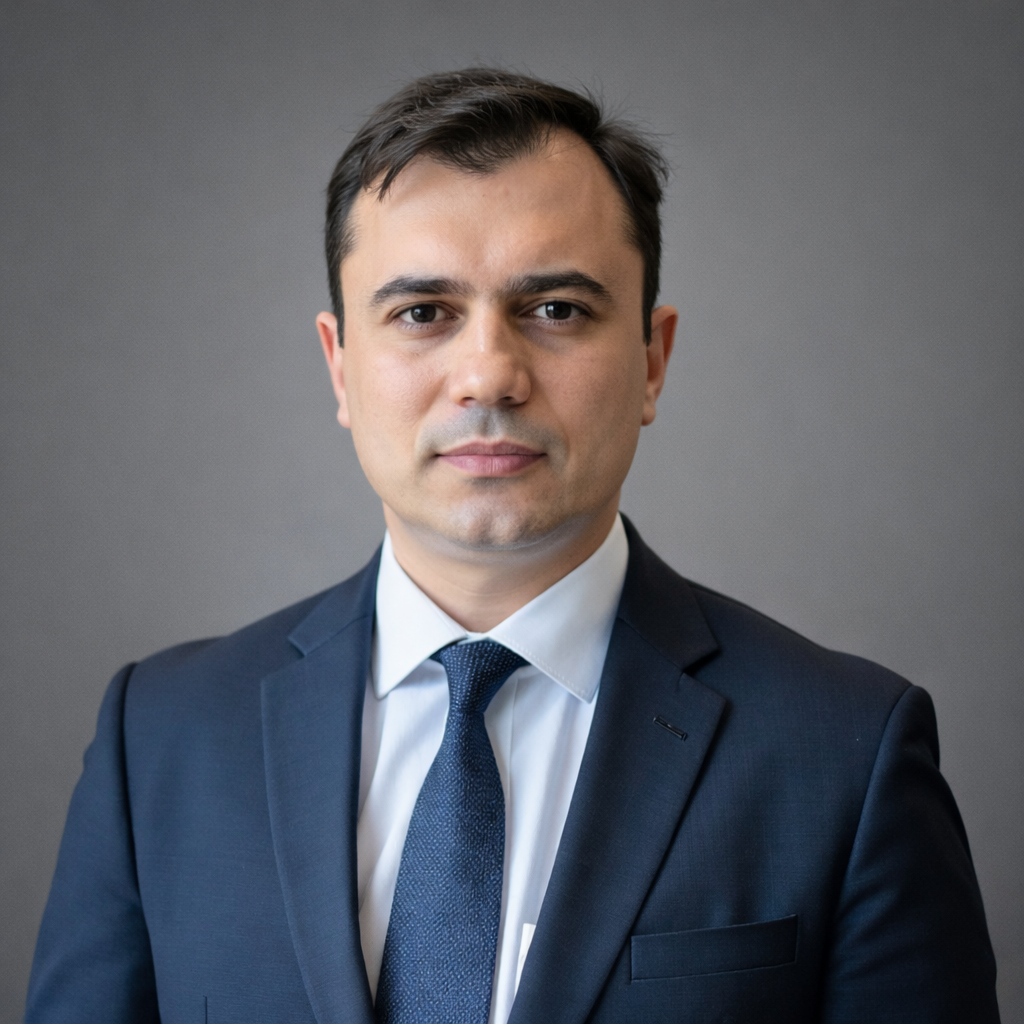
Leads cybersecurity operations across the EFROS client portfolio. Runs the 24/7 SOC, drives threat intelligence, and owns incident response. When an alert fires at 3 AM, Daniel's team is already on it.
Daniel Agrici, Chief Security Officer, leads cybersecurity operations across the EFROS client portfolio. He runs the 24/7 SOC, drives threat intelligence, and owns incident response. Individual credentials are documented and provided under NDA via the Trust Center.
How many certified professionals does EFROS employ?
EFROS operates with senior security analysts and engineers across the 24/7 SOC, with shift rotation that maintains continuous coverage. Aggregate headcount, certification coverage, and tenure detail are documented and provided to qualified clients under NDA via the Trust Center.
What certifications does EFROS leadership hold?
Leadership holds individual industry certifications across security operations, cloud architecture, and operations management. Specific credentials per individual are released under NDA via the Trust Center — vendor reviewers, audit teams, and procurement reviewers can request the documentation pack directly.
How does EFROS retain SOC talent?
We do three things differently. First, continuous learning budget with certifications funded on our dime. Second, analysts stay with the same client environments instead of being rotated as a shared pool, which lets them actually get good at their accounts. Third, there's a clear promotion path from Tier 1 through Tier 3 and into threat hunting. Our analyst tenure runs well past the industry average of 18-24 months.